Fiscal Code vs VAT Number: Differences and When You Need Them
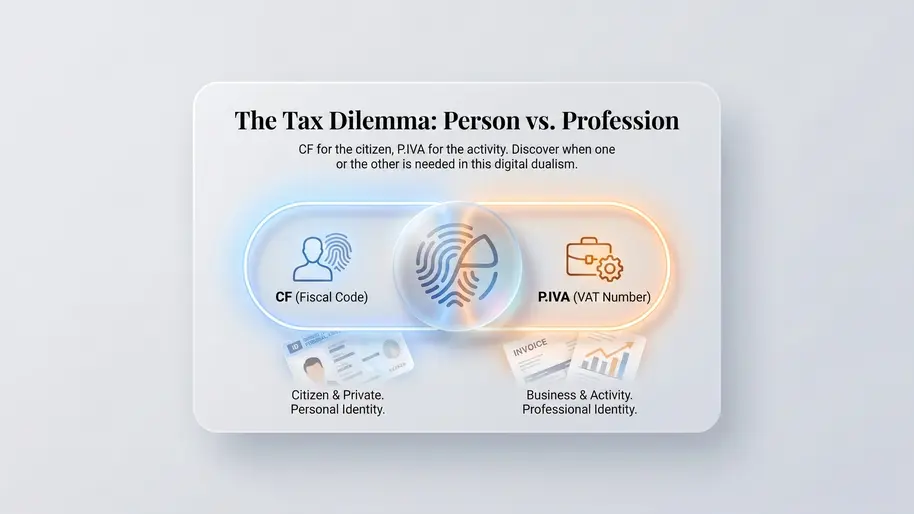
Your fiscal code pins down who you are as a person while your VAT number tags the business side of things. That’s exactly why grasping both makes sense if you’re juggling income, jobs, or your own venture. Plenty of people blur the lines and screw up forms or invoices as a result. Honestly it just dodges a ton of hassle with the tax office. One stays yours for life and the other only kicks in when you go independent. The mix-up happens because taxes touch both yet they handle totally separate worlds. Regular folks get by with just the first but freelancers definitely need the second.
What Is the Fiscal Code?
This alphanumeric string of 16 characters gets tied to every single person. They hand it out at birth or during signup if you’re from abroad and it sticks around unchanged your whole life. It lets the public system track you for anything tax-related on a personal level. Picture it as that one unique tax ID built from your name, birth date, and hometown. No application needed since it arrives automatically. It never shifts even after a move or name change. Everything from earnings reports to employment docs runs through it.
What Is a VAT Number?
It’s that 11-digit code linked to independent economic work. Authorities issue it to freelancers, entrepreneurs, and companies so they can send invoices and sort out VAT properly. Skip it and you can’t run any commercial activity legally. Think of the freelancer sending bills to clients who needs it to claim deductions and pay the correct amounts. You apply for one right when you launch the operation. Not everyone requires it only those earning on their own terms. It tackles the specific tax duties that come with business.
What Are the Main Differences?
Check the key differences laid out in this table. Stack up the format, assignment process, and everything else so it clicks instantly.
| Feature | Fiscal Code | VAT Number |
|---|---|---|
| Format | 16 alphanumeric characters | 11 numeric digits |
| Assignment | At birth or registration | On request for activity |
| Mandatory | For all citizens | Only for self-employed and businesses |
| Content | Encoded personal data | Progressive number |
| Duration | Permanent | Can be closed and reopened |
| Use | Personal identification | Commercial tax activities |
These details come straight from the Revenue Agency. One look shows how one stays personal while the other runs strictly on the business track.
When Do You Need the Fiscal Code?
It comes in for any official interaction with the Italian government.
- Work contract so you can handle salary and payslips.
- Opening a regular bank account.
- Signing up for the national health service.
- Filing your yearly tax return.
Official guides highlight these everyday situations. Without it you can’t handle any major paperwork. It touches daily routines plus all your personal requirements. Your doctor or boss will ask for it every single time.
When Do You Need a VAT Number?
You must have one the moment you launch any self-employed work.
- Sending invoices over to clients or companies.
- Reclaiming VAT from purchases tied to the job.
- Meeting all the tax rules that come with commercial activity.
These core reasons keep you clear of tax trouble. A graphic designer or shop owner relies on it daily. Miss it and fines start rolling in. It sticks purely to business matters and leaves your private life alone.
Can You Have Both Codes?
Anyone running a VAT number always holds a fiscal code too. Sole traders often see the VAT number line up with the numeric chunk of their fiscal code. Companies run a totally separate unique VAT number instead. Freelancers do this all the time by leaning on their personal fiscal code for life stuff and the VAT number for gigs. No clash exists since the two simply work together. The agency juggles both without any drama. It ends up covering you and the business at once.
What’s the Cost to Get Them?
Everyone receives the fiscal code at no charge. Opening a VAT number brings variable expenses for setup and ongoing management though. It hinges on advisors or paperwork but the original source skips specific numbers. Freelancers should budget for an accountant and any stamp duties. Unlike the fiscal code that just appears this one isn’t free. Extra fees pop up for renewals or shutdowns. Factor that in before you strike out on your own.
Who Should Choose Which Code?
Your role decides it pretty fast.
- Everyday citizens and private individuals only need the fiscal code for personal taxes and official docs.
- Professionals plus any business must add the VAT number to handle invoices and operations.
These two groups cover pretty much everybody. Employees stick with one while self-employed folks juggle both. It all boils down to how your money comes in. Mix them and your filings go wrong fast.
How Do You Request the Codes?
The steps stay simple and fast.
- Fiscal code comes through registry office signup or the anagrafe desk.
- VAT number gets requested from the Revenue Agency via the AA9/12 form.
- Or handle it online straight through the official agency site.
- Confirmation with the number arrives in a few days.
Basic moves without any headaches. Foreigners just tack on residency details. Grab free online portals whenever you can.
Where Can You Find More Information?
Look at these connected sections.
- What the fiscal code actually is.
- Legal ways to use your CF.
- Calculate your own CF.
These links clear up leftover questions. They work great for exploring real-life applications. Basics and handy tools sit right there.